

服务咨询热线
(+86)13501625370
塑料制品,作为以塑料为核心原料制造而成的各类生活和工业用品的通称,涵盖了注塑、吸塑等多种工艺制成的产品。相较于其他材质,塑料独具特色:其轻量化设计减少了材料消耗,出色的化学稳定性保证了在多种环境下的使用效果,卓越的电绝缘性能使其成为电气行业的理想选择,同时塑料的热导率低,起到了良好的隔热和消音减震效果。此外,塑料的机械强度可根据需要进行调整,比强度较高。
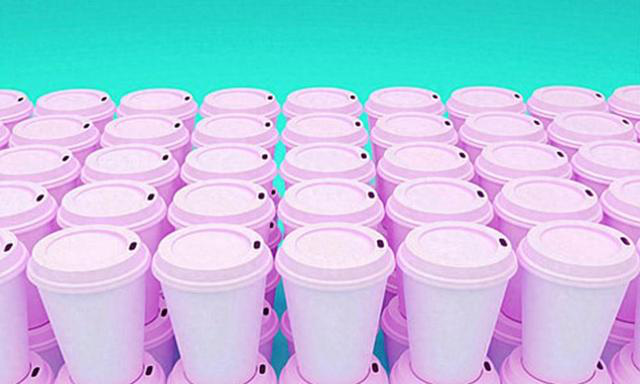
随着环保意识的日益增强,从生产到流通,再到消费和回收利用,塑料制品的全链条管理正在不断优化,治理成效日益显现,为创建更加绿色、可持续的未来奠定了坚实基础。
塑料制品行业的产业链上游主要与石化行业和机械设备相关,这些都是生产塑料制品所需的主要原材料和设备的来源。而下游则是塑料制品的应用领域,这些领域包括电子电器行业、医药行业、化工行业以及日用品行业等,应用范围非常广泛。
在塑料制品的各个细分行业中,产量占比最高的子行业是其他塑料,包括塑料板管型材、塑料丝绳及编织品、塑料包装箱及容器、塑料零件等。这一类别的产量达到了4922.2万吨,占据了整个塑料制品行业的63.3%。其次是塑料薄膜,产量为1692.9万吨,所占比例为21.8%。
这些数据表明,塑料制品行业在各细分领域中呈现出多样化的发展趋势,但其他塑料作为最大的子行业,仍占据主导地位。这种分布格局反映了不同塑料制品在市场中的需求和应用情况,同时也为行业的发展提供了更广阔的空间和机遇。
Plastic products, as a general term for all kinds of life and industrial supplies made of plastic as the core raw materials, cover products made of injection molding, blister and other processes. Compared to other materials, plastic is unique: its lightweight design reduces material consumption, excellent chemical stability ensures the use of results in a variety of environments, excellent electrical insulation properties make it ideal for the electrical industry, while plastic thermal conductivity is low, play a good insulation and sound damping effect. In addition, the mechanical strength of the plastic can be adjusted according to needs, and the specific strength is higher.
With the increasing awareness of environmental protection, from production to circulation, to consumption and recycling, the management of the whole chain of plastic products is constantly optimized, and the governance effectiveness is increasingly apparent, laying a solid foundation for creating a greener and more sustainable future.
The upstream industry chain of the plastic products industry is mainly related to the petrochemical industry and mechanical equipment, which are the main sources of raw materials and equipment required for the production of plastic products. The downstream is the application field of plastic products, these fields include electronic and electrical industry, pharmaceutical industry, chemical industry and daily necessities industry, etc., the application range is very wide.
In the various subsectors of plastic products, the subindustry with the highest proportion of production is other plastics, including plastic sheet tube profiles, plastic wire ropes and knitwear, plastic packaging boxes and containers, plastic parts, etc. The output of this category reached 49.222 million tons, accounting for 63.3% of the entire plastic products industry. Followed by plastic film, the output was 16.929 million tons, accounting for 21.8%.
These data show that the plastic products industry shows a diversified development trend in various segments, but other plastics, as the largest sub-industry, still occupy a dominant position. This distribution pattern reflects the demand and application of different plastic products in the market, and also provides a broader space and opportunities for the development of the industry.

 立即咨询
立即咨询
 (+86)13501625370
 li.weihong@baifeiteng.com
 上海市奉贤区立新路281-289号(单)1层